What to Look for in an Oklahoma City Electrician for Reliable Electrical Services
What to Look for in an Oklahoma City Electrician for Reliable Electrical Services
Blog Article
Experienced Electrician for Safe and Efficient Electrical Solutions
Retaining a qualified electrical specialist constitutes a fundamental choice for both residential and commercial properties. Their expertise guarantees compliance with local codes, promoting safety and efficiency in electrical systems. Ignoring electrical issues can result in significant threats, encompassing fires and shocks. Understanding the role of a qualified electrical specialist can clarify why their services are indispensable. What criteria should one consider when selecting the right professional for specific needs?
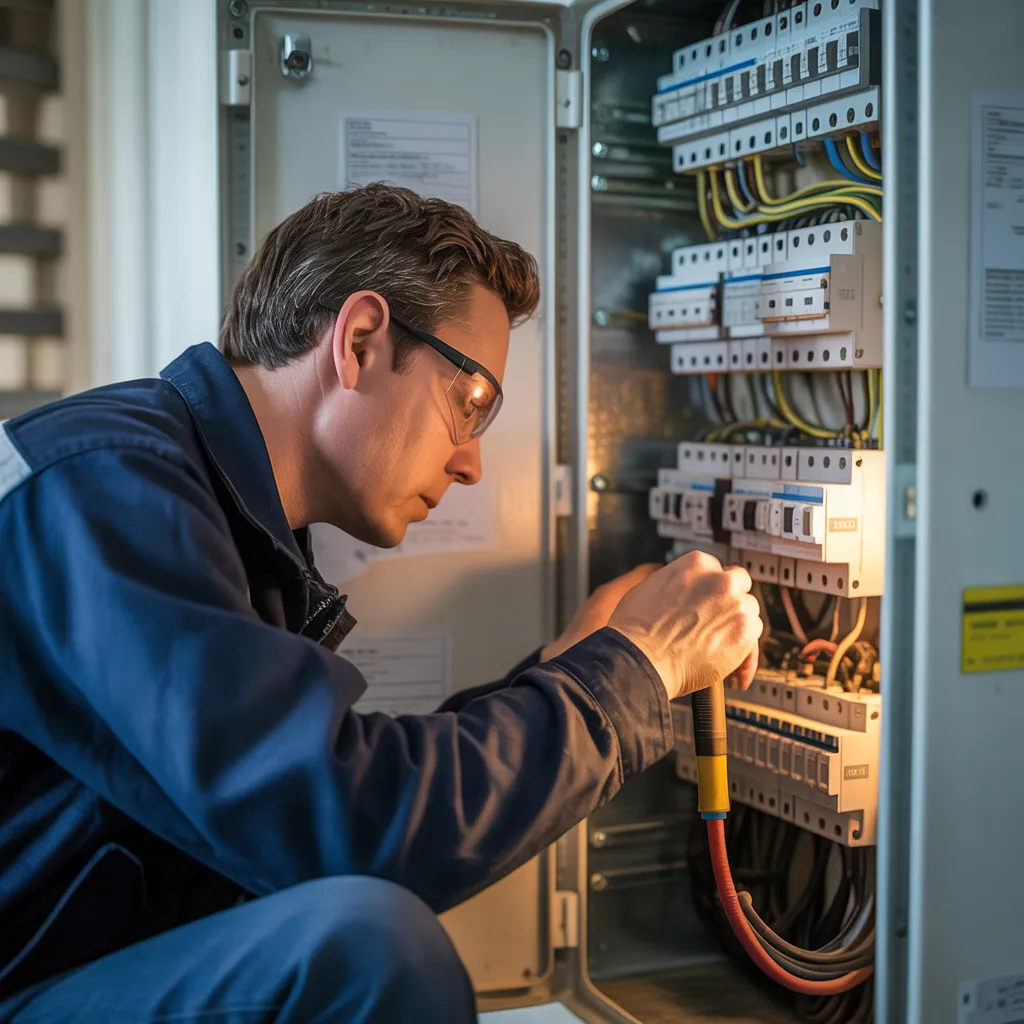
Widespread Electric Issues You Shouldn't Neglect
Many homeowners may overlook common electrical problems, but addressing these issues promptly is critical for both safe operation and efficiency. Flickering lights often signal a unsteady bulb or faulty wiring, which can lead to more serious hazards. Similarly, frequent breaker trips indicate an overloaded system or potential short circuits, both needing quick response. Overheating outlets can create risk of fire, implying frayed wiring or incompatible devices. Homeowners should also be wary valuable resource of unusual electrical smells, as they may indicate heated insulation or other critical faults. Finally, if outlets or switches are warm when touched, this can indicate a serious electrical fault. Early recognition of these issues can prevent accidents and costly repairs, ensuring a more protected home environment. By paying close attention to resolving these common electrical problems, homeowners can maintain the efficiency and safety of their electrical systems.
Why Employing a Licensed Electrician Is Essential
Hiring a licensed electrician is crucial for ensuring compliance with electrical codes, which are designed to protect property and lives. Their expertise not only guarantees proper installation and repairs but also emphasizes safety in dangerous situations. By engaging a certified expert, homeowners can prevent costly mistakes and enhance the longevity of their electrical systems.
Following Power Regulations
Guaranteeing compliance with electrical requirements is fundamental for the security and functionality of any electrical equipment. Licensed electricians possess the knowledge necessary to interpret the detailed regulations that oversight electrical work. These codes are designed to shield users and property from electrical threats, assuring that installations are safe and reliable. Failure to respect these codes can result in dire consequences, including electrical outbreaks, equipment malfunction, or pricey repairs. Moreover, many regions require permits for electrical work, which licensed electricians can readily obtain. By retaining a licensed professional, homeowners and businesses can assure that their electrical systems meet all necessary standards, ultimately promoting a more secure environment and boosting the longevity of the installation. Compliance is not simply a regulatory requirement; it is a important element of competent electrical work.
Expertise And Safety Assurance
The capabilities of a licensed electrician serve as a vital component in guaranteeing the dependability and security of power infrastructure. Their extensive education and expertise enable them to diagnose and fix complicated electrical problems, minimizing risks stemming from faulty electrical work or poor installations. Licensed electricians follow strict safety guidelines, substantially lowering the chance of injuries or regulatory violations. Furthermore, they grasp regional and national electrical codes, which guarantees code adherence and protects homeowners from conceivable legal exposure. When hiring a certified electrical specialist, individuals can feel assured that their electrical concerns are met with precision, building a secure environment. In the end, this commitment to professional expertise leads to assurance and long-term savings in repairs and maintenance.
What You Must Familiarize Yourself With About Local Electrical Codes
Grasping local power standards is essential for guaranteeing safety and compliance in any electrical projects. These codes not only differ by region but also institute core protective requirements that must be respected. A licensed electrician is highly knowledgeable in these standards, making their proficiency priceless for any project.
Relevance Of Electrical Regulations
Commitment to electrical standards serves as an essential framework for safety and efficiency in electrical installations. These codes, established by national and local authorities, guarantee that electrical systems are designed and installed to minimize risks such as electrical fires, shocks, and equipment failures. Adherence to these codes encourages uniformity in building practices, facilitating maintenance and inspections. Additionally, electrical standards are regularly revised to account for advancements in technology and safety practices, making it vital for electrical professionals to stay informed. By following these codes, licensed electricians not only safeguard people but also improve the durability and dependability of electrical infrastructure. Ultimately, the importance of electrical standards cannot be overstated, as they play a pivotal role in protecting both people and property.
Local Code Differences Outlined
While circuit standards establish a initial rule for well-being, jurisdiction-specific differences often express the specialized requisites and conditions of specific communities. These local codes may address factors such as weather type, density levels, and existing systems. For example, zones with difficult climates may have stricter guidelines for exterior work, while locations with historic structures might require special considerations for renovation. Additionally, municipal bodies may implement codes to promote energy efficiency or sustainability, aligning with community ambitions. Recognizing these changes is indispensable for property owners and builders, as adherence pledges not only safeguarding but also the persistence of electrical systems. Ultimately, partnering with a certified electrician familiar with area codes is imperative for While electrical codes institute a foundational standard for accident prevention, local variations often reflect the specialized specifications and conditions of specific communities. These local codes may address factors such as temperature patterns, population density, and historical infrastructure. For case study, storm-prone regions may have firmer parameters for exterior systems, while regions with older buildings might mandate adapted approaches for retrofitting. Additionally, local authorities may implement codes to promote consumption reduction or environmental stewardship, conforming with area priorities. Understanding these deviations is paramount for homeowners and contractors, as compliance secures not only safety but also the extended life of electrical systems. In the final analysis, engaging with a professional electrician experienced with local regulations is absolutely necessary for successful project completion.
Compliance And Safety Guidelines
How can homeowners ensure their electrical installations comply with safety standards? Comprehending local electrical codes is vital for verifying compliance and safety. These codes are created to protect both property and individuals from electrical dangers. Homeowners should consult with licensed electricians who are familiar with these requirements, as they vary by region and may change over time. Routine checks can help identify potential issues before they become serious problems. Additionally, obtaining the necessary permits before starting any electrical projects is essential, as this ensures that the installation is examined and meets all regional requirements. By remaining knowledgeable and working with professionals, homeowners can guarantee their electrical installations are both safe and efficient, minimizing the chance of mishaps and enhancing overall functionality.
Finding the Most Suitable Licensed Electrician for Your Assignment
Picking the right licensed electrician for a project can greatly impact its success and safety. People should start by looking into electricians with proper licensing and coverage, ensuring they meet local regulations. Recommendations from family, friends, or web reviews can provide insights into a contractor's work quality and dependability.
It's vital to evaluate the electrician's track record in related projects. A experienced electrician may be more proficient at tackling specific work, such as residential wiring or industrial projects. Additionally, requesting various bids can facilitate in grasping standard rates and the breadth of services supplied.
Communication skills are also essential; effective electricians should be able to describe issues clearly and answer any questions. Finally, checking for warranties on work performed can offer peace of mind, guaranteeing that any future concerns will be addressed. By carefully considering these factors, individuals can choose an electrician who aligns with their project needs.
Benefits of Consistent Assessments by Licensed Electricians
What advantages can routine inspections by licensed electricians provide homeowners and businesses? Routine checks guarantee that electrical systems operate safely and efficiently, minimizing the risk of hazards such as electrical fires or equipment failures. Licensed electricians have the expertise to identify potential issues before they escalate, allowing proactive maintenance and avoiding costly fixes. Moreover, these evaluations help ensure adherence with local codes and regulations, protecting against legal liabilities.
Moreover, routine evaluations can boost energy efficiency by spotting outdated or faulty wiring and appliances, ultimately decreasing energy bills. Homeowners and businesses can also take advantage of better stability of electrical systems, limiting downtime and disruption. By investing in regular evaluations, property owners can extend the lifespan of their electrical systems, ensuring long-term performance and safety. Overall, regular inspections by licensed electricians deliver peace of mind, knowing that electrical systems are in peak condition.
Understanding the Expenses of Employing an Electrician
Grasping the fees related to contracting an electrical specialist is essential for homeowners and commercial entities alike, especially after recognizing the importance of regular inspections. Numerous components influence these fees, such as the complexity of the work, the electrical specialist's experience, and regional pricing variations. Typically, electricians charge hourly rates or flat fees for particular tasks. Hourly charges can span from $50 to $150, depending on the electrician's qualifications and the job's urgency.
In addition, equipment and authorizations may add to the total costs. For common jobs, such as installing fixtures or updating outlets, costs can be predictable. Yet, sudden repairs or extensive rewiring can greatly increase expenses. Homeowners and businesses should also take into account potential long-term savings from engaging certified contractors who guarantee compliance with safety standards. In summary, understanding these costs can assist with deciding wisely and budgeting effectively for electrical requirements.
Common Inquiries Asked
How Can I confirm an Electrician's Licenses and Qualifications?
To validate an electrician's licensing and credentials, one should contact the local licensing board, review state or provincial regulations, and access online databases to confirm their qualifications and any potential disciplinary actions.
What Requirements Should I Look for in a Certified Electrician?
When picking a licensed electrician, you should seek out relevant certifications, background in particular electrical projects, familiarity with local standards, adequate insurance, and positive customer reviews to assure quality and reliability in their work.
Can I Complete Electrical Work Myself if I Have Knowledge?
Experience may be beneficial, but conducting electrical work without valid licenses and permits is ordinarily inadvisable. Local standards often require authorized specialists for safety, compliance, and reliability, assuring that all work fulfills necessary standards.
What Safety Precautions Should I Follow During Electrical Installations?
During electrical projects, you should always turn off power, apply insulated tools, wear rubber-soled shoes, and confirm proper ventilation. Additionally, implementing personal protective equipment and complying with local codes enhances safety and decreases risks considerably.
What Steps Should I Take to Arrange My Home Before an Electrician's Service Call?
Getting ready for an electrician's visit demands that property owners clear out work areas, guarantee easy access to electrical panels, assemble relevant documents, and raise particular problems or issues in advance to facilitate quality service and effective dialogue.
Report this page